
As Bali faces rising prices, development saturation, and increasing regulatory pressure, investors are beginning to ask a familiar question: is Lombok the next Bali?
Between 2026 and 2030, Lombok is positioned for a decisive transition — not as a replica of Bali, but as Indonesia’s next strategically planned growth market for tourism, real estate, and long-term capital.
This forecast examines Lombok’s trajectory through the lens of tourism growth, infrastructure, land values, and investor behaviour, offering a grounded outlook for those considering early-to-mid cycle entry.
Why Capital Is Gradually Moving Away From Bali
Bali’s success has come at a cost. After decades of rapid growth, the island is experiencing the natural consequences of a mature market. Prime land is scarce, yields are tightening, and development controls are becoming more restrictive. For investors, this has translated into higher entry prices with increasingly compressed upside.
Lombok, by contrast, sits earlier in the cycle. It offers many of the characteristics that made Bali attractive two decades ago — natural beauty, global appeal, and strong tourism fundamentals — but with the advantage of clearer zoning, newer infrastructure, and more deliberate government planning.
Lombok’s Position in the Investment Cycle
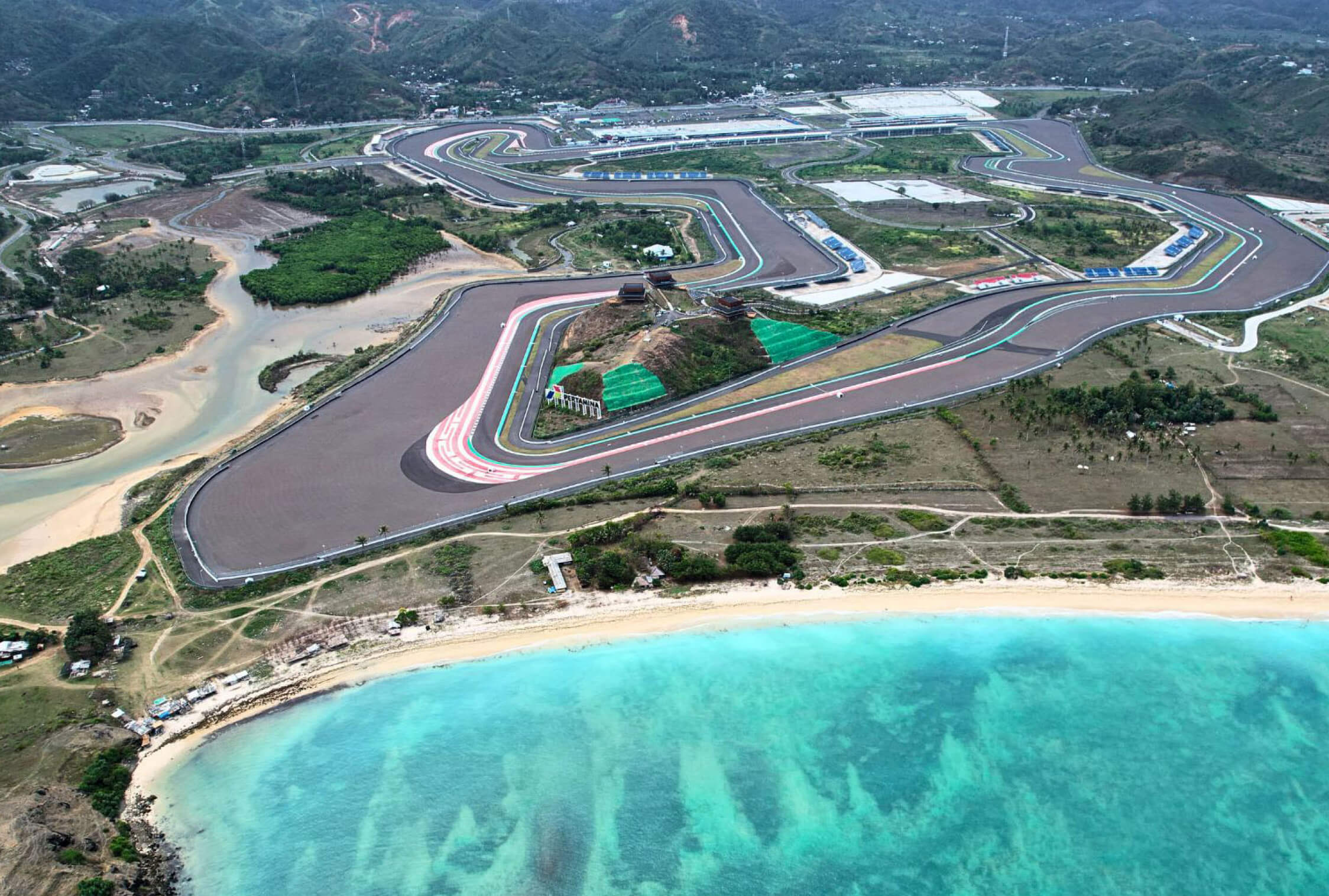
Lombok today resembles Bali in its formative years, but with important differences. The island is not developing through fragmented speculation alone. Instead, growth is anchored by national initiatives, most notably the Mandalika Special Economic Zone, which has reshaped investor confidence and provided long-term clarity around land use, tourism focus, and infrastructure investment.
This structural backing reduces uncertainty and encourages patient capital rather than short-term speculation — a key factor for investors focused on sustainable returns rather than rapid flips.
Tourism Growth as the Primary Catalyst
Tourism remains the engine behind Lombok’s economic expansion. Visitor numbers have risen steadily since borders reopened, supported by improving air access and increased international visibility. Forecasts indicate Lombok could welcome between 2.5 and 3 million visitors annually by 2026–2027, with growth continuing into the end of the decade.
More importantly, Lombok is attracting a different type of traveller. Rather than mass tourism, demand is increasingly driven by longer-stay guests, villa renters, surfers, wellness travellers, and remote professionals. This shift directly supports high-quality accommodation, low-density developments, and premium villa rentals — the segments where long-term value is created.

Infrastructure: The Quiet Enabler of Value
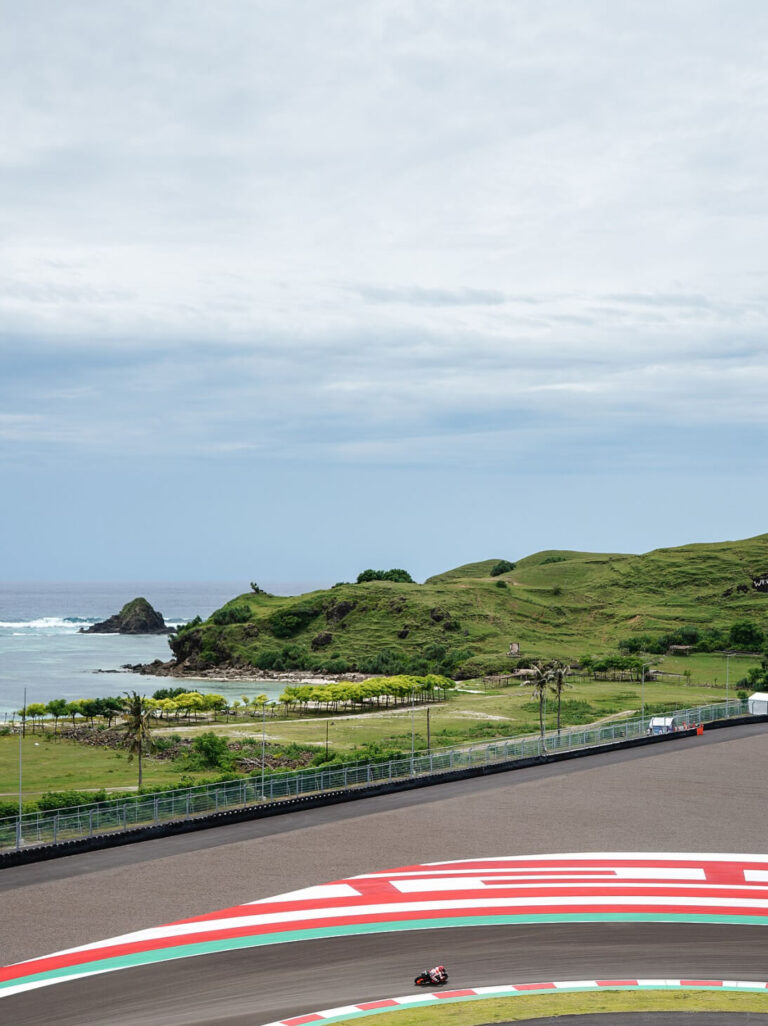
Infrastructure development often receives less attention than tourism numbers, yet it is one of Lombok’s strongest investment signals. Lombok International Airport has expanded its capacity and international readiness, while road access and utilities across South Lombok have improved year after year.
As connectivity strengthens, friction for investors and visitors alike decreases. Projects that were once considered remote are now viable, and land previously overlooked is becoming strategically valuable.
The Strategic Role of the Mandalika SEZ
The Mandalika Special Economic Zone is not merely a tourism hub; it is Lombok’s anchor. Government-led development has accelerated infrastructure delivery, clarified zoning, and positioned the region for global exposure.
Even projects located outside Mandalika benefit from this gravitational effect. South Lombok, in particular, has seen rising demand and land appreciation as investors seek proximity without the density associated with core SEZ zones.
Land Values and Real Estate Outlook
Despite increasing attention, Lombok remains significantly undervalued compared to Bali. In comparable locations, land prices are often 30–60% lower, providing a margin of safety and room for appreciation.
Key investment strategies currently include:
- Land banking in emerging corridors
- Off-plan villas targeting lifestyle buyers
- Build-to-rent villas focused on tourism demand
- Low-density hospitality and mixed-use projects
In well-positioned developments, villa rental yields in the range of 8–15% remain achievable when supported by strong design, access, and professional management.

2026–2030: A Realistic Investment Forecast
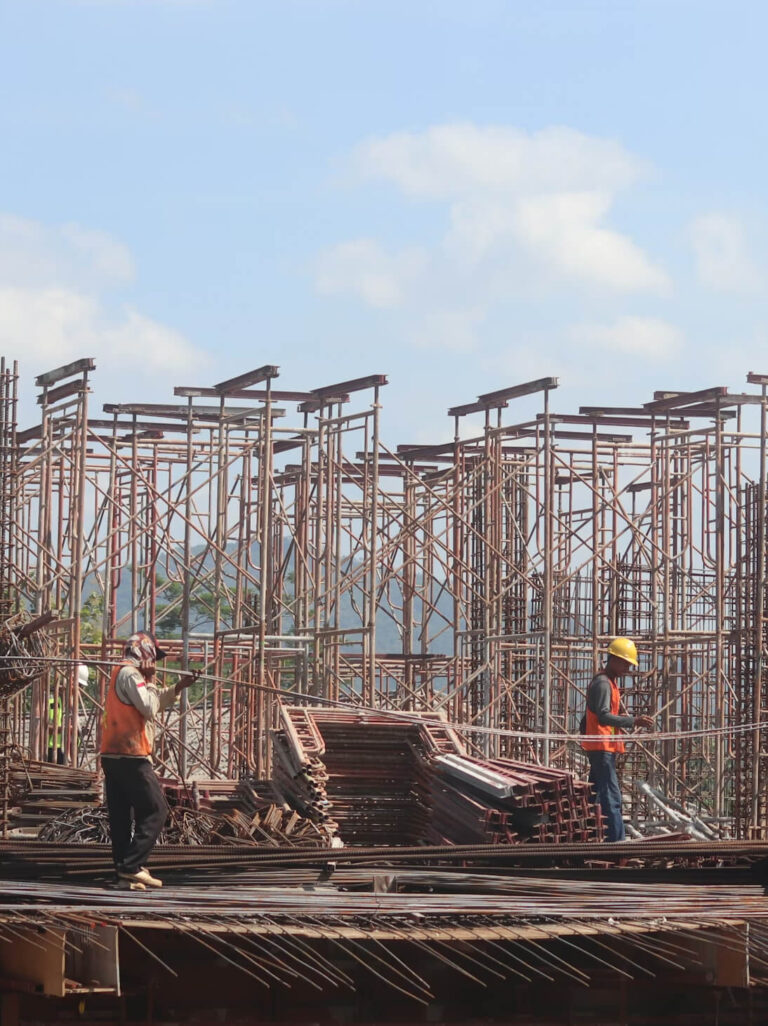
Between 2026 and 2027, Lombok is expected to continue its upward momentum, driven by tourism recovery, new international routes, and rising demand for quality accommodation. This phase favours early movers and well-structured projects.
From 2028 onward, competition among developers is likely to increase. Prime land will become scarcer, pricing will rise, and poorly planned projects will struggle. Investors entering at this stage will benefit most from operational efficiency and long-term holding strategies.
By 2030, Lombok is expected to be firmly established as a global destination. Entry costs will be higher, speculative upside will narrow, and the market will increasingly reward experience, scale, and operational excellence.
Risks That Require Local Expertise
Lombok’s opportunity comes with responsibility. Regulatory processes, zoning compliance, and legal structuring must be handled carefully. Infrastructure quality still varies by location, and not all developments are created equal.
This is where local knowledge and disciplined execution make the difference between success and underperformance.
Mandala Terra Capital’s Approach to Lombok
At Mandala Terra Capital, Lombok is not viewed as a short-term trend. It is a long-term investment landscape shaped by timing, planning, and stewardship.
Our focus is on identifying early-cycle opportunities, structuring investments correctly under Indonesian law, and developing projects that align with both market demand and local context. By maintaining full involvement from land acquisition through development and operation, we ensure value is created — not assumed.
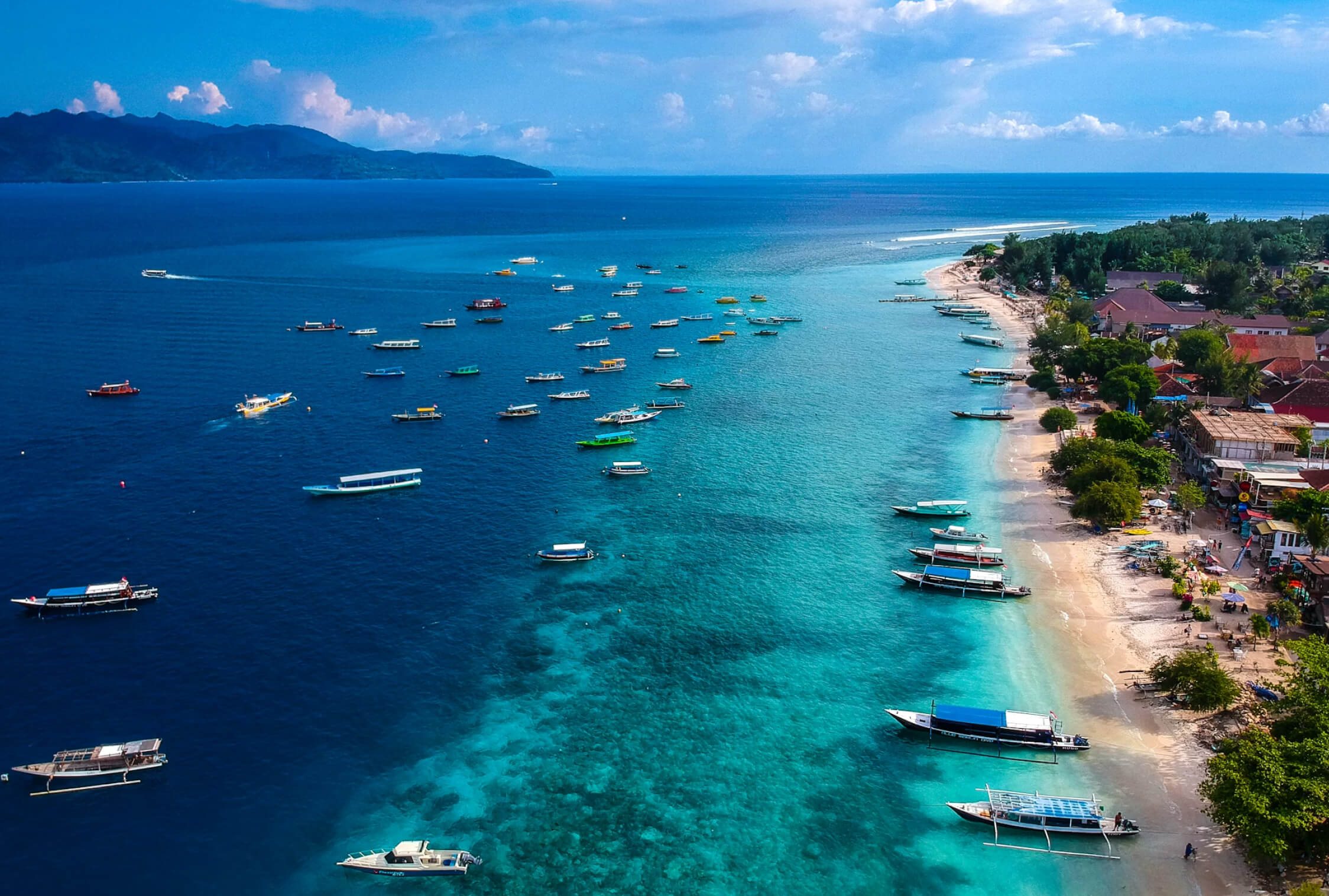
Is Lombok the Next Bali?
Lombok will not become Bali — and that is precisely why it matters. The island’s opportunity lies in what Bali can no longer offer: early access, structural growth, and room for disciplined capital to shape the outcome.
Between 2026 and 2030, Lombok stands at a pivotal point. For investors who understand timing and execution, it represents one of Indonesia’s most compelling growth stories — not as a copy of Bali, but as its next evolution.