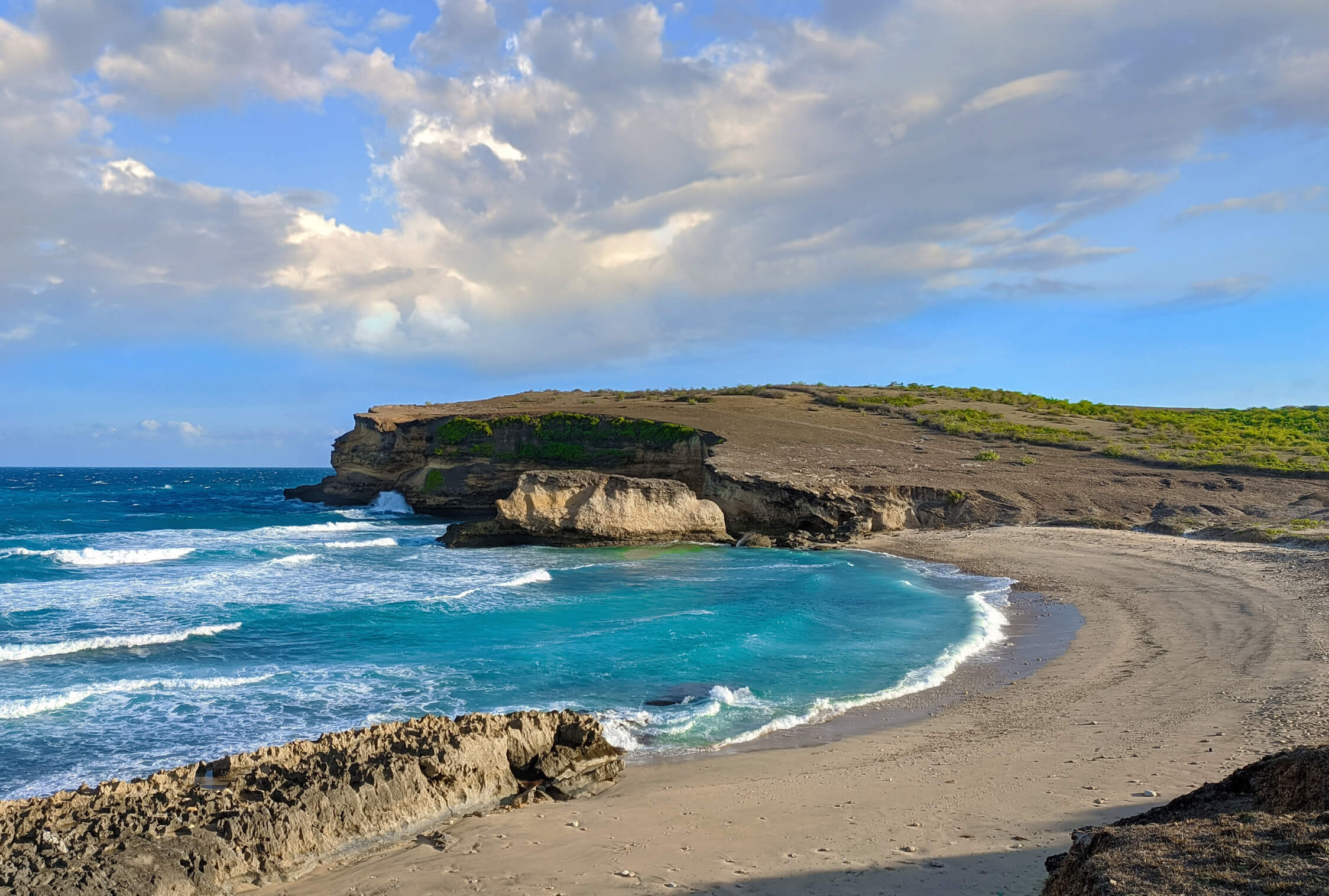
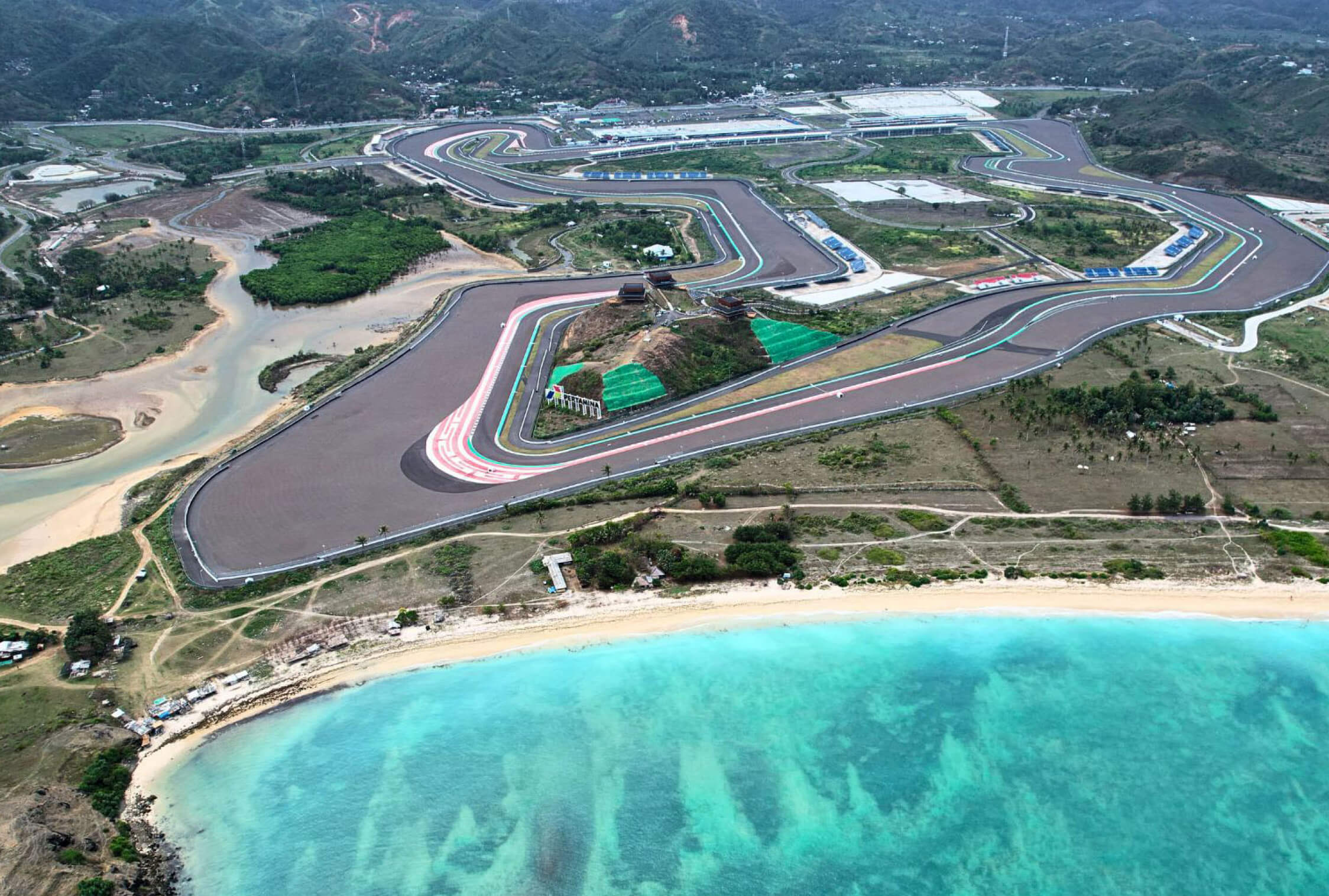
Mandalika isn’t just a destination in South Lombok. It’s a policy-backed growth engine that has been deliberately positioned to pull infrastructure, tourism demand, and investment focus into the southern corridor. Especially as Lombok moves through its 2023-2028 ‘Tourism Acceleration’ phase and into 2028-2033 ‘Market Penetration’
If you’re a property or land investor, this matters for one simple reason: markets don’t grow evenly. They grow around anchors; projects and policies that make access easier, licensing faster, utilities more reliable, and visitor flows more predictable. Mandalika is currently Lombok’s strongest anchor.
At Mandala Terra Capital, we look at Mandalika less as a marketing story and more as a demand-and-infrastructure flywheel. The goal isn’t to chase hype inside the boundary, it’s to understand how the SEZ changes the economics of surrounding areas, and then invest with the right structure, timeline, and risk controls.
What is Mandalika SEZ (KEK Mandalika)?
Mandalika is a Special Economic Zone (SEZ) in Indonesian, Kawasan Ekonomi Khusus (KEK).
With a formal designation as a tourism SEZ. ITDC (Indonesia Tourism Development Corporation) states that Mandalika SEZ was established through Government Regulation (PP) No. 52 of 2014.
That legal foundation matters. SEZs are not “concepts”; they are structured zones intended to accelerate development through targeted planning, governance, and incentives.
Why Mandalika matters to investors
Even if you don’t buy inside the SEZ.
Investors often assume the opportunity is only within the SEZ boundary. In reality, Mandalika’s biggest effect on property markets is often felt outside the boundary, where land is still cheaper, parcels are more flexible, and development can still be curated.
Here’s why Mandalika is such a powerful market driver in the Lombok Tourism Master Plan logic:
The ITMP’s growth scenario explicitly states that increased visitation will largely be pulled by Mandalika and existing destinations. That is a direct signal that Mandalika is expected to function as a demand magnet, shaping where tourism and investor interest concentrates.
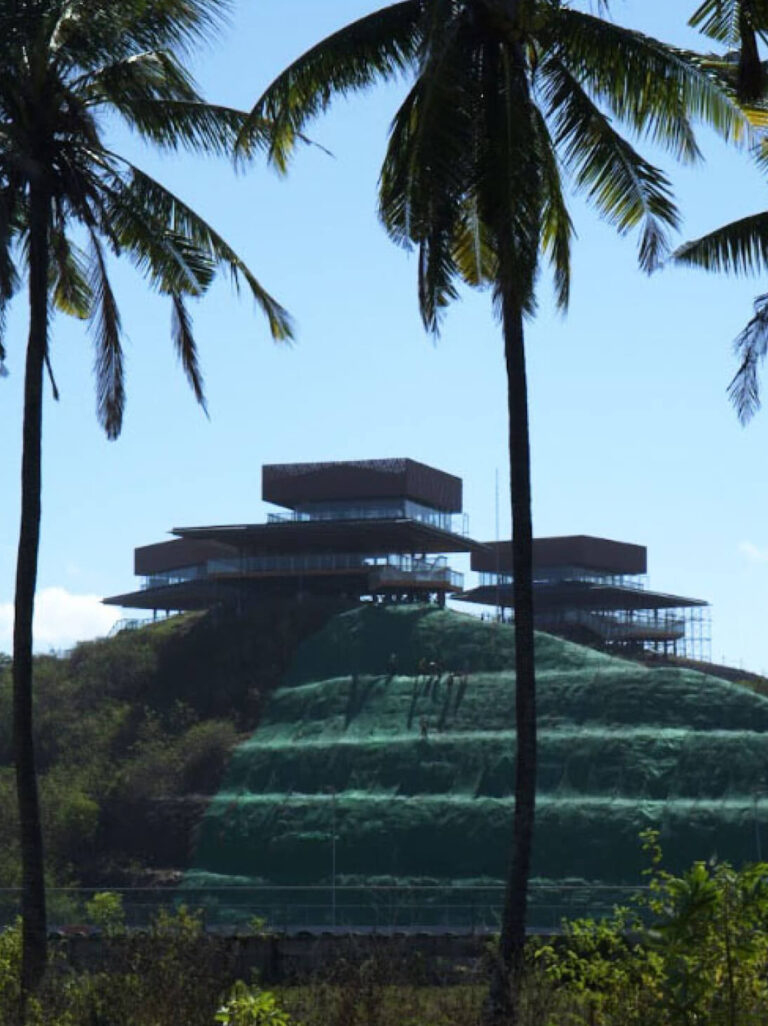
The ITMP timeline: why 2026–2030 is the 'Serious Window'
The ITMP breaks Lombok’s tourism trajectory into phases. Two of those phases define the investor environment for the next few years:
In Phase 2 (2023–2028), the ITMP highlights rapid visitation growth and states that tourism activities and development will be driven toward the southern coast.
In Phase 3 (2028–2033), the focus shifts to maintaining and strengthening established tourism areas.
For investors, that transition is important. 2026-2028 can still reward early positioning (if your micro-location is right). 2028–2030 tends to reward asset quality and operational strength, because the market becomes more selective and competition rises.
Infrastructure that moves land values: Mandalika’s 'access upgrade' is real
If you want the simplest explanation of how Mandalika changes property economics, it’s this: it reduces friction. Less friction means more trips, more occupancy stability, and stronger commercial viability.
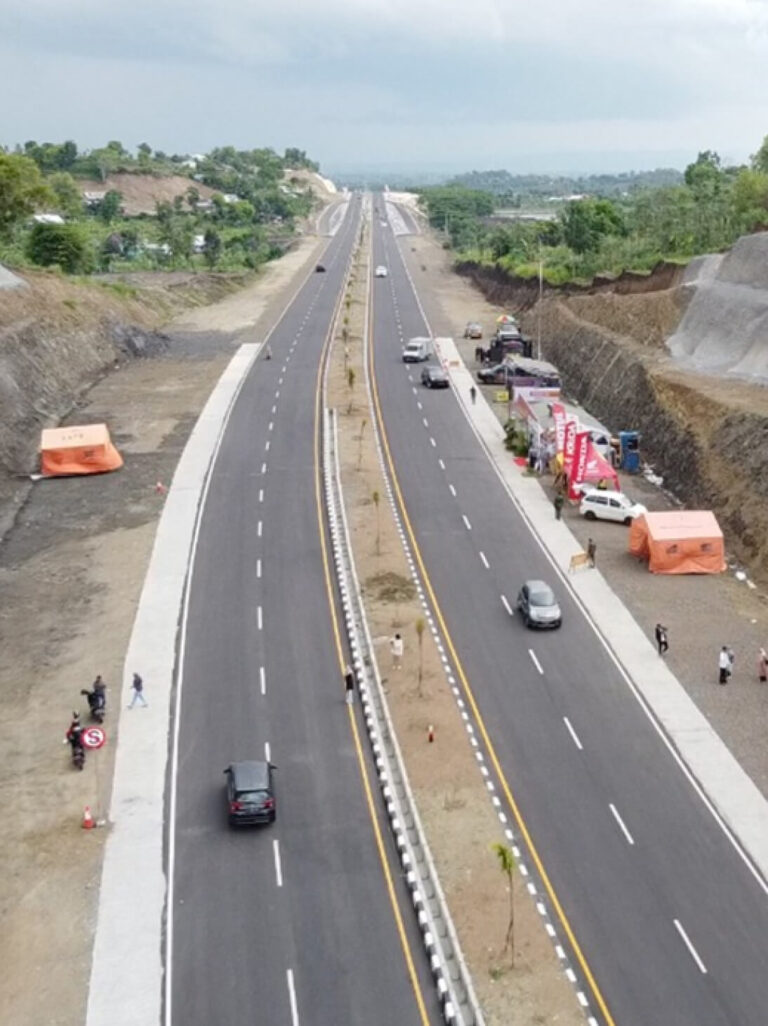
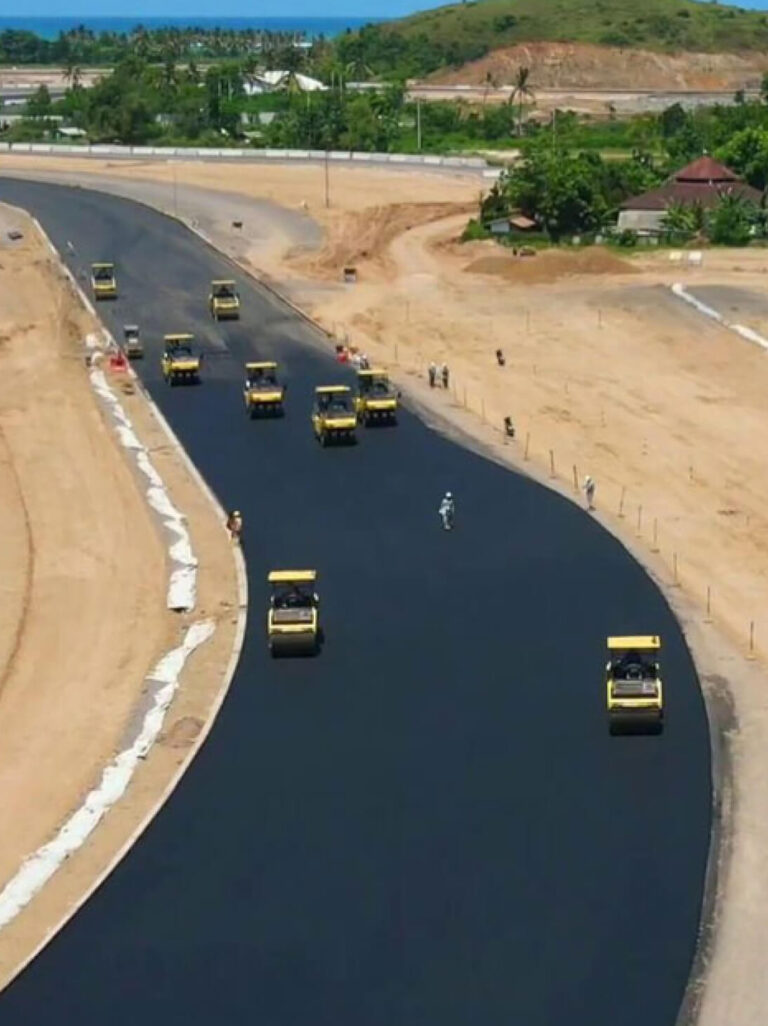
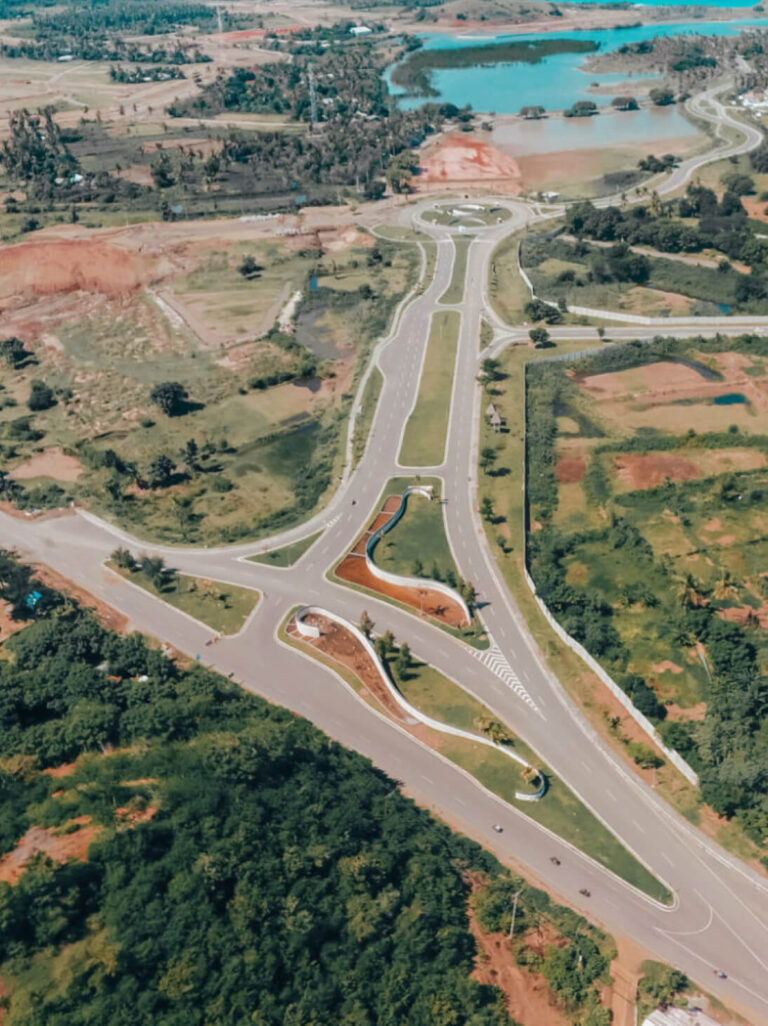
The ITMP highlights the strategic value of a direct airport connection to Mandalika, and that vision has already been delivered: the LIA–Mandalika bypass was completed a couple of years ago, cutting travel time significantly and making Mandalika far more accessible. Since the bypass opened, the easier airport-to-SEZ journey has helped boost visitor flow and accelerated commercial momentum across South Lombok, strengthening the investment case for well-located land and hospitality assets in the surrounding corridor.
That is not a small detail. In tourism markets, travel-time improvements often shift buyer behaviour. Day trips become easier, weekend stays increase, and location premiums begin to concentrate around the most functional routes.
Utilities and 'boring infrastructure' are what make property investable
The biggest gap between speculative land buying and real investment is usually utilities. Water, drainage, and waste systems determine whether a villa is actually operational at scale.
In the ITMP’s basic infrastructure program, water infrastructure (SPAM) is explicitly referenced as supporting areas around BIL and KEK Mandalika.
For investors, this matters because utilities don’t just support tourism; they reduce operational cost, reduce downtime risk, and improve the quality of the guest experience, directly affecting occupancy and pricing power.
What incentives exist in SEZs
A common question is: “What incentives do I get if I invest in an SEZ?”
Indonesia’s official SEZ portal lists incentive categories such as tax holiday provisions and other facilities for investment in SEZs.
BKPM materials for Mandalika also describe the zone in investment terms, including commercial framing around land and investment schemes.
A clean investor interpretation is that incentives can help, but they are not the core thesis. The core thesis is still: demand + access + utilities + destination programming. Incentives are the ‘accelerant’ , not the engine.
Where investors go wrong around Mandalika
The biggest mistake isn’t buying the ‘wrong area’. It’s buying with the wrong assumptions.
Many investors treat Mandalika like a single switch that flips land prices permanently upward. Real markets are more nuanced. Mandalika creates opportunity, but it also increases competition, enforcement, and scrutiny as the region matures.
The ITMP itself includes environmental and socio-cultural monitoring programs tied to development activities, including monitoring related to the BIL-Mandalika bypass.
That signals something important: as development scales, governance and expectations typically tighten. Investors need clean documentation, clear access, and realistic infrastructure planning; not just optimism.
What Mandala Terra Capital’s approach looks like
In a Mandalika driven cycle, the winning investors are usually the ones who treat property like an asset that must perform under future conditions, not just today’s conditions.
At Mandala Terra Capital, that means prioritising:
- Demand logic (where future guest flow is pulled)
- Access logic (where time and friction are being reduced)
- Utility readiness (water/waste/operations viability)
- and development quality that can compete as the market moves from acceleration into penetration.
This is how you avoid the common trap of ‘buying a plot near Mandalika’ without a credible plan for execution and long-term performance.
The bottom line for 2026–2030 investors
Mandalika SEZ is important because it concentrates national attention, tourism demand, and infrastructure programming into South Lombok and the ITMP makes it clear that the southern coast is the direction of travel during the acceleration phase.
For investors, the opportunity is not just proximity. It’s alignment: being positioned where access improves, utilities strengthen, and destination programming increases the probability of sustained demand.
Mandalika is not the next Bali. It’s Lombok’s strongest growth anchor and anchors are how markets become investable.
FAQs
What is the Mandalika SEZ (KEK Mandalika)?
Mandalika is a tourism-focused Special Economic Zone in Lombok, established under Government Regulation (PP) No. 52 of 2014 and developed by ITDC as a priority destination area.
What does Mandalika SEZ mean for land and property investors?
It means South Lombok is more likely to receive concentrated development attention. The Lombok ITMP states that increased visitation will largely be pulled by Mandalika and existing destinations, and that tourism development will be driven toward the southern coast during 2023–2028.
What infrastructure supports Mandalika’s growth?
The ITMP describes plans such as a New Planned LIA–Mandalika Bypass (estimated 17 km, about 15 minutes travel time) intended as a direct airport access route to Mandalika SEZ, plus road program items including the BIL–Mandalika bypass.
Are there incentives for investing in Mandalika SEZ?
Indonesia’s SEZ framework includes incentives such as tax facilities for qualifying investment activities in SEZs, and BKPM materials outline Mandalika’s investment framing and commercial terms. Incentives can help, but should be treated as a bonus alongside fundamentals like demand and infrastructure.